
 Image 1 of 1
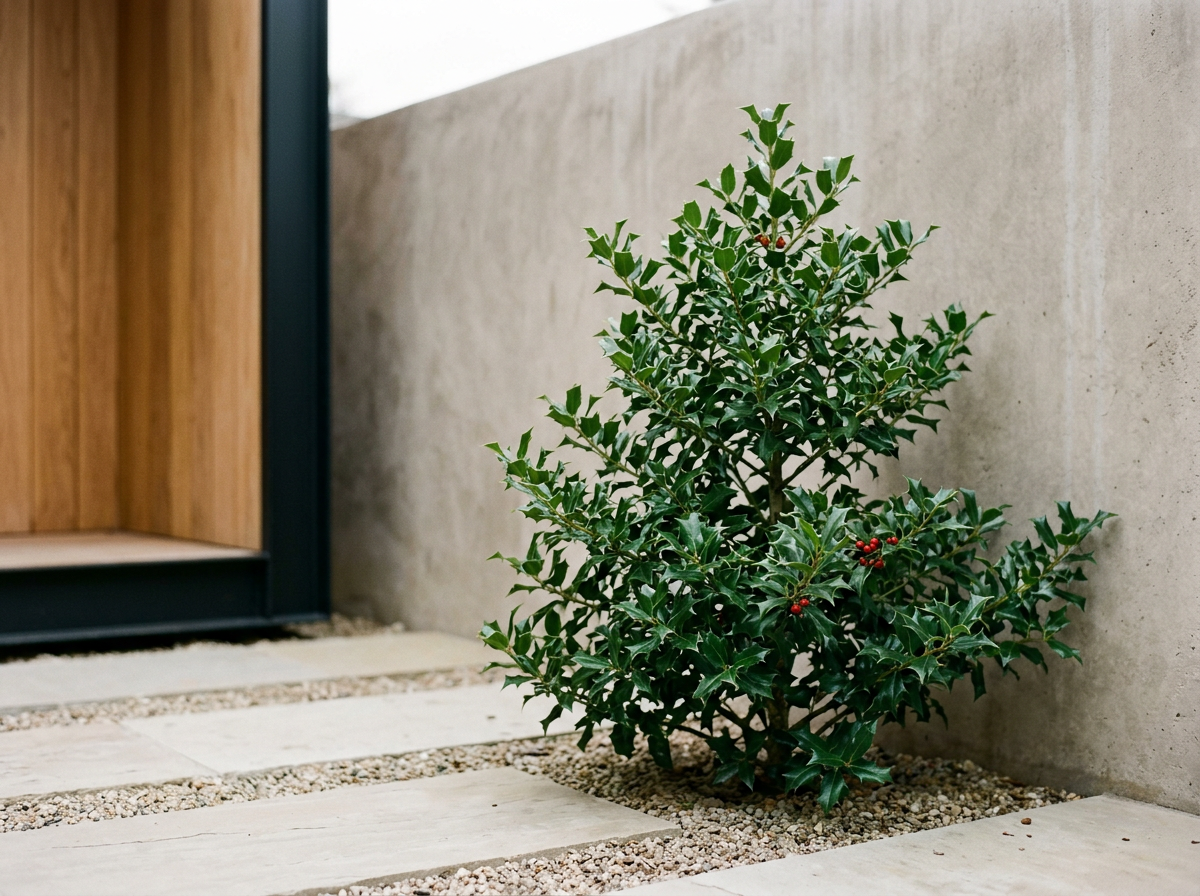
Arrow Point Holly - 3g
Arrow Point Holly (Ilex crenata 'Shirome' × or cultivar known as Arrow Point) is an evergreen, compact holly prized for its finely textured, narrowly pointed foliage and neat, formal habit. It typically matures about 7-10 ft tall and 3-6 ft wide and offers year-round structure in the landscape with small, glossy leaves that produce a refined, architectural silhouette well suited to low hedges, clipped topiary, foundation planting, or container culture. In winter, its dense form helps provide visual interest and shelter for small birds; female plants may produce small black drupes if a pollinator is nearby.
Growing conditions
Light: Thrives in full sun to part shade. In hot, southern climates, some afternoon shade will protect foliage from scorch and reduce stress.
Soil: Prefers well-draining, slightly acidic to neutral soils (pH 5.5–7.0). Tolerant of clay if drainage is adequate; performs best in loamy, organically rich soil.
Moisture: Requires consistent moisture, especially during establishment. Not drought-tolerant once young; mature plants tolerate short dry spells but benefit from regular irrigation in summer.
Hardiness: Cold-hardy in a wide range of temperate zones (USDA zones typically 6–9 depending on exact cultivar). Protect from extreme winter winds and reflective heat from pavement or walls.
Exposure: Wind-protected sites are preferred to reduce desiccation and winter leaf burn.
Pests & Diseases: Generally resilient; may occasionally face scale, spider mites, or root rot in poorly drained soil. Good air circulation and proper watering minimize problems.
Planting instructions
Timing: Plant in spring or early fall to allow roots to establish before summer heat or winter freeze.
Site selection: Choose a location with appropriate light (full sun to part shade), good drainage, and shelter from strong winds. Consider mature size when spacing for hedges or individual specimens.
Soil preparation: Test soil pH if possible; amend heavy soils with compost or aged bark to improve structure and drainage. If soil is alkaline, incorporate elemental sulfur or use acidifying organic matter to lower pH gradually.
Digging the hole: Dig a hole 2–3 times the width of the root ball but no deeper than the container depth so the crown sits slightly above or level with finished grade. Wide, shallow holes encourage lateral root growth.
Planting: Remove the plant gently from its container and tease out circling roots. Position the root ball so the top is slightly above surrounding soil to allow for settling. Backfill with native soil mixed with compost, firming gently to remove air pockets.
Mulching: Apply a 2–3 inch layer of organic mulch (wood chips or shredded bark) around the base, keeping mulch 1–2 inches away from the stem to prevent crown rot. Mulch conserves moisture and moderates soil temperature.
Watering: Water thoroughly at planting and keep soil evenly moist (not waterlogged) during the first growing season. Deep, infrequent watering encourages a strong root system—approximately once or twice weekly depending on weather and soil.
Fertilizing: Hold off on heavy fertilization at planting. In spring of the following year, apply a balanced, slow-release fertilizer formulated for acid-loving evergreens, following label rates.
Pruning: Prune lightly to shape or maintain size in late winter to early spring before new growth begins. Arrow Point hollies respond well to shearing for formal hedges or selective pruning for specimen form. Avoid heavy pruning in late summer or fall.
Maintenance: Monitor for pests and water stress, refresh mulch annually, and adjust irrigation through seasons. For dense hedges, periodic thinning cuts improve air circulation and inner foliage health.
With attentive siting and routine care, Arrow Point Holly provides refined structure, evergreen interest, and long-lived performance in formal and informal landscape designs.
Arrow Point Holly (Ilex crenata 'Shirome' × or cultivar known as Arrow Point) is an evergreen, compact holly prized for its finely textured, narrowly pointed foliage and neat, formal habit. It typically matures about 7-10 ft tall and 3-6 ft wide and offers year-round structure in the landscape with small, glossy leaves that produce a refined, architectural silhouette well suited to low hedges, clipped topiary, foundation planting, or container culture. In winter, its dense form helps provide visual interest and shelter for small birds; female plants may produce small black drupes if a pollinator is nearby.
Growing conditions
Light: Thrives in full sun to part shade. In hot, southern climates, some afternoon shade will protect foliage from scorch and reduce stress.
Soil: Prefers well-draining, slightly acidic to neutral soils (pH 5.5–7.0). Tolerant of clay if drainage is adequate; performs best in loamy, organically rich soil.
Moisture: Requires consistent moisture, especially during establishment. Not drought-tolerant once young; mature plants tolerate short dry spells but benefit from regular irrigation in summer.
Hardiness: Cold-hardy in a wide range of temperate zones (USDA zones typically 6–9 depending on exact cultivar). Protect from extreme winter winds and reflective heat from pavement or walls.
Exposure: Wind-protected sites are preferred to reduce desiccation and winter leaf burn.
Pests & Diseases: Generally resilient; may occasionally face scale, spider mites, or root rot in poorly drained soil. Good air circulation and proper watering minimize problems.
Planting instructions
Timing: Plant in spring or early fall to allow roots to establish before summer heat or winter freeze.
Site selection: Choose a location with appropriate light (full sun to part shade), good drainage, and shelter from strong winds. Consider mature size when spacing for hedges or individual specimens.
Soil preparation: Test soil pH if possible; amend heavy soils with compost or aged bark to improve structure and drainage. If soil is alkaline, incorporate elemental sulfur or use acidifying organic matter to lower pH gradually.
Digging the hole: Dig a hole 2–3 times the width of the root ball but no deeper than the container depth so the crown sits slightly above or level with finished grade. Wide, shallow holes encourage lateral root growth.
Planting: Remove the plant gently from its container and tease out circling roots. Position the root ball so the top is slightly above surrounding soil to allow for settling. Backfill with native soil mixed with compost, firming gently to remove air pockets.
Mulching: Apply a 2–3 inch layer of organic mulch (wood chips or shredded bark) around the base, keeping mulch 1–2 inches away from the stem to prevent crown rot. Mulch conserves moisture and moderates soil temperature.
Watering: Water thoroughly at planting and keep soil evenly moist (not waterlogged) during the first growing season. Deep, infrequent watering encourages a strong root system—approximately once or twice weekly depending on weather and soil.
Fertilizing: Hold off on heavy fertilization at planting. In spring of the following year, apply a balanced, slow-release fertilizer formulated for acid-loving evergreens, following label rates.
Pruning: Prune lightly to shape or maintain size in late winter to early spring before new growth begins. Arrow Point hollies respond well to shearing for formal hedges or selective pruning for specimen form. Avoid heavy pruning in late summer or fall.
Maintenance: Monitor for pests and water stress, refresh mulch annually, and adjust irrigation through seasons. For dense hedges, periodic thinning cuts improve air circulation and inner foliage health.
With attentive siting and routine care, Arrow Point Holly provides refined structure, evergreen interest, and long-lived performance in formal and informal landscape designs.